Loading Oslo Collective
Places in this category
Per row

museums/Tøyen/Moderate ($$)
Naturhistorisk museum
Norway's largest natural history collection, dinosaur skeletons, meteorites and the Klimahuset climate house, set inside the Botanical Garden at Tøyen. The Natural History Museum at Tøyen covers billions of years of natural history through indoor exhibitions and the adjoining Botanical Garden. The museum currently lists indoor galleries 10:00–17:00 Tuesday–Sunday and the garden 07:00–17:00; the greenhouses are temporarily closed.

museums/Frogner/Budget ($)
Vigelandmuseet
Gustav Vigeland's studio and home, kept as he left it, the plaster originals, the working models, and the quiet backstory to the 200 sculptures in the park across the street. Vigelandmuseet has a permanent presentation of Gustav Vigeland's work and changing exhibitions, while the separate sculpture park remains open at all times. The museum also runs guided tours and hands-on programmes such as drawing and clay sessions.

museums/Bygdøy/Moderate ($$)
Norsk Folkemuseum
An open-air village of 160 historic buildings from all over Norway, including the Gol stave church, with costumed hosts, farm animals and lefse from the wood-fired griddle in summer. Norsk Folkemuseum is an open-air museum on Bygdøy with historic buildings, everyday-life exhibits and seasonal family activities. Its schedule changes in early October, so check the visit page before going rather than assuming summer hours continue through autumn.

museums/Bygdøy/Moderate ($$)
Kon-Tiki Museet
Thor Heyerdahl's original balsa raft Kon-Tiki and the papyrus boat Ra II, plus the Oscar-winning documentary, the whole improbable story in one room across from the Fram. The Kon-Tiki Museum explores Thor Heyerdahl's expeditions around the famous raft, with new interactive stations, animations and material from discoveries across several continents. Opening times vary by season, and the museum sells tickets through its own booking page.

museums/Bygdøy/Moderate ($$)
Frammuseet
The polar ship Fram, the wooden vessel that carried Nansen and Amundsen toward both poles, parked whole inside its own A-frame hall. You walk the actual deck. The Fram Museum centres on the polar ship Fram and also exhibits Gjøa, the first ship to sail the Northwest Passage. A 4D flight simulator and polar exhibits add to the visit; the museum says it is open every day of the year, with current admission information online.

museums/Tjuvholmen/Moderate ($$)
Astrup Fearnley Museet
Contemporary art in a Renzo Piano building whose sail-like roof arches over the tip of Tjuvholmen, international heavyweights inside, a sculpture park and a small city beach outside. Astrup Fearnley Museet presents its contemporary-art collection alongside temporary exhibitions. The programme changes through the year, so check which exhibition is on during your visit and use the museum's visit page for current tickets and opening times.
 ESSENTIAL
museums/Sentrum/Moderate ($$)
Nasjonalmuseet
Norway's national museum of art, architecture and design, the largest in the Nordics, with Munch, Dahl and the design collections under one vast roof, plus the fjord-facing Light Hall for temporary shows. The National Museum brings art, architecture and design together in one building, with a permanent collection and temporary exhibitions. The current programme changes often, so choose whether you want the collection, a named exhibition or an event before buying a ticket.
museums/Kjelsås
Norwegian Museum of Science and Technology
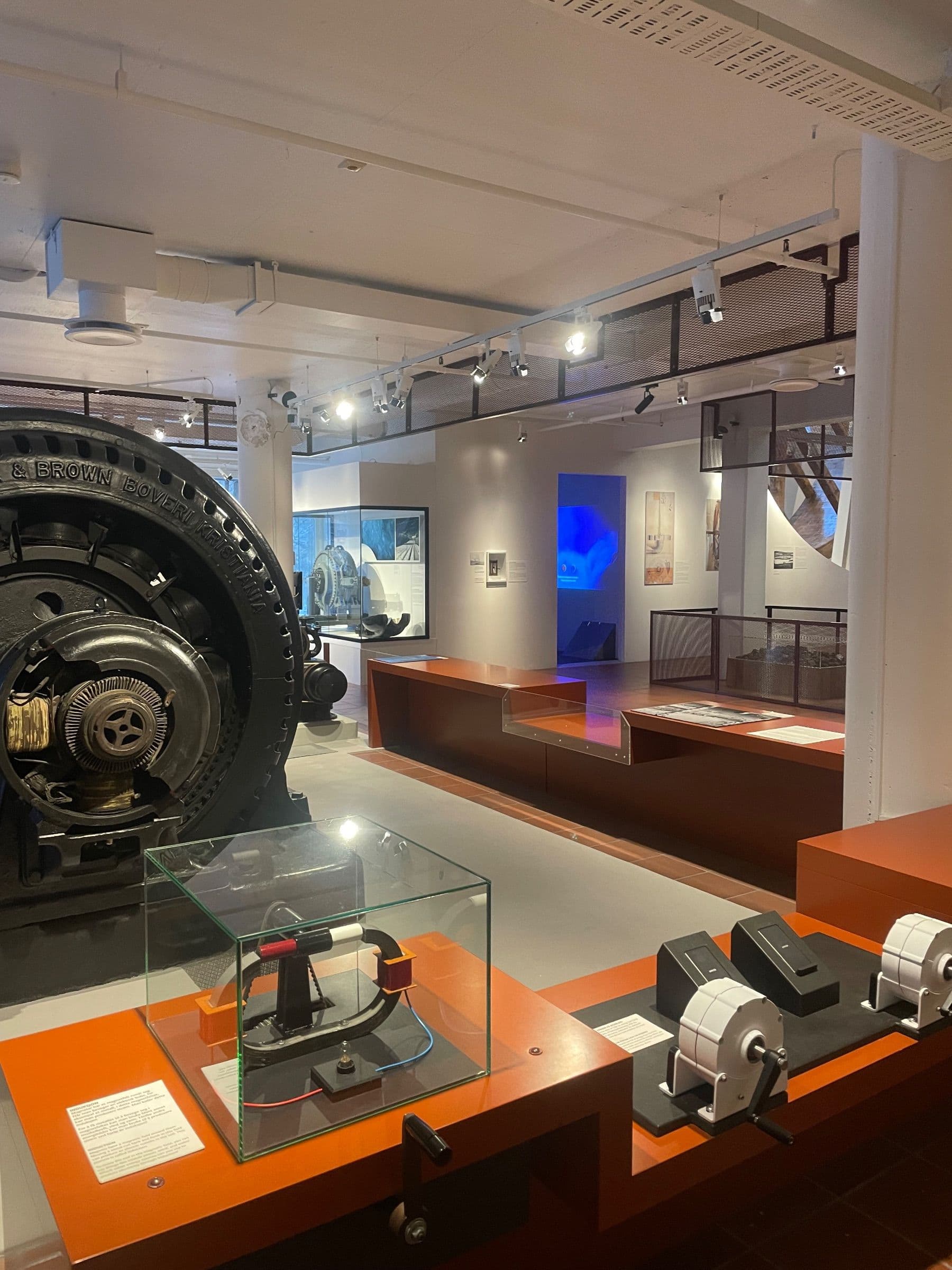
Spread across spacious halls at Kjelsås, the Norwegian Museum of Science and Technology covers engineering, industry, science, and medicine. Here you can explore historical exhibits featuring everything from a real mummy and vintage photographs to a large train you can actually walk inside. Personally, I found the first section covering the development of electricity and hydropower in Norway super interesting. The Science Center makes the visit interactive and fun for both kids and adults, allowing you to get hands on with physics, light, and mechanics. Once inside, it is remarkably easy to spend several hours without noticing the time fly by. Adult tickets cost around 170 to 190 NOK, with discounted options for children, students, and families. The venue also features a cozy cafe and a gift shop. It is a great destination for a family weekend outing, a day with nieces or nephews, or simply for exploring on your own.
interactive · family friendly · rainy day

museums/Bjørvika
Munch Museum
Located in Bjørvika, you will find the Munch Museum. It might not be the most pretty building and has received its share of hate for its exterior, but it is what is on the inside that counts, right? Once you step inside, it is really well done, with art spread across thirteen floors. Here you can explore Edvard Munch's life work through famous masterpieces like The Scream, Madonna, and The Girls on the Bridge. Since Munch created several versions of The Scream in different mediums, the museum rotates which version is on display to protect the artwork from light. On the top floors you can grab a coffee or a drink while taking in views of the Oslofjord and the city. You decide how much time you want to spend walking through the galleries. Standard tickets cost around 160 to 200 NOK, while entry is free for anyone under eighteen. It is a great spot to bring visiting guests, enjoy a quiet Sunday with family, or simply visit on your own or with a friend.
art · architecture · views
museums/Sentrum
Paradox Museum
In the city center you will find Paradox Museum, an interactive space dedicated to optical illusions and paradoxes. As you walk through dozens of different rooms and exhibits, your senses, angles, and perception of balance are put to the test. The layout is designed so you can capture unique photos along the way where gravity and perspective appear completely reversed. The vibe is curious and playful, and a self guided walk usually takes under an hour. Tickets cost around 230 to 260 NOK for adults, with special rates for children. This is a great activity if you are taking your niece out for a fun afternoon, planning something memorable for the family, or looking to try something different with a group of friends.
interactive · fun · rainy day